
• Skip to main content
  • Skip to header right navigation
  • Skip to site footer
Wild Macadamia Conservation

Wild Macadamia Conservation

  • Home
  • Rare Macadamias
    • Walk with Wild Macadamias
    • The Macadamia history book
    • Why conserve Macadamias?
    • The Four Macadamias
    • Where are wild Macadamias found?
    • Threats facing wild Macadamias
    • History
  • About Us
    • Our Organisation
    • Our People
    • Supporters
  • Donate Now
  • What we do
    • Macadamia Conservation Research Grants
    • News and Projects
    • Resources
    • FAQ
  • Contact Us

Finding new M. tetraphylla sites and monitoring the insects that visit them

You are here: Home / Research / Finding new M. tetraphylla sites and monitoring the insects that visit them
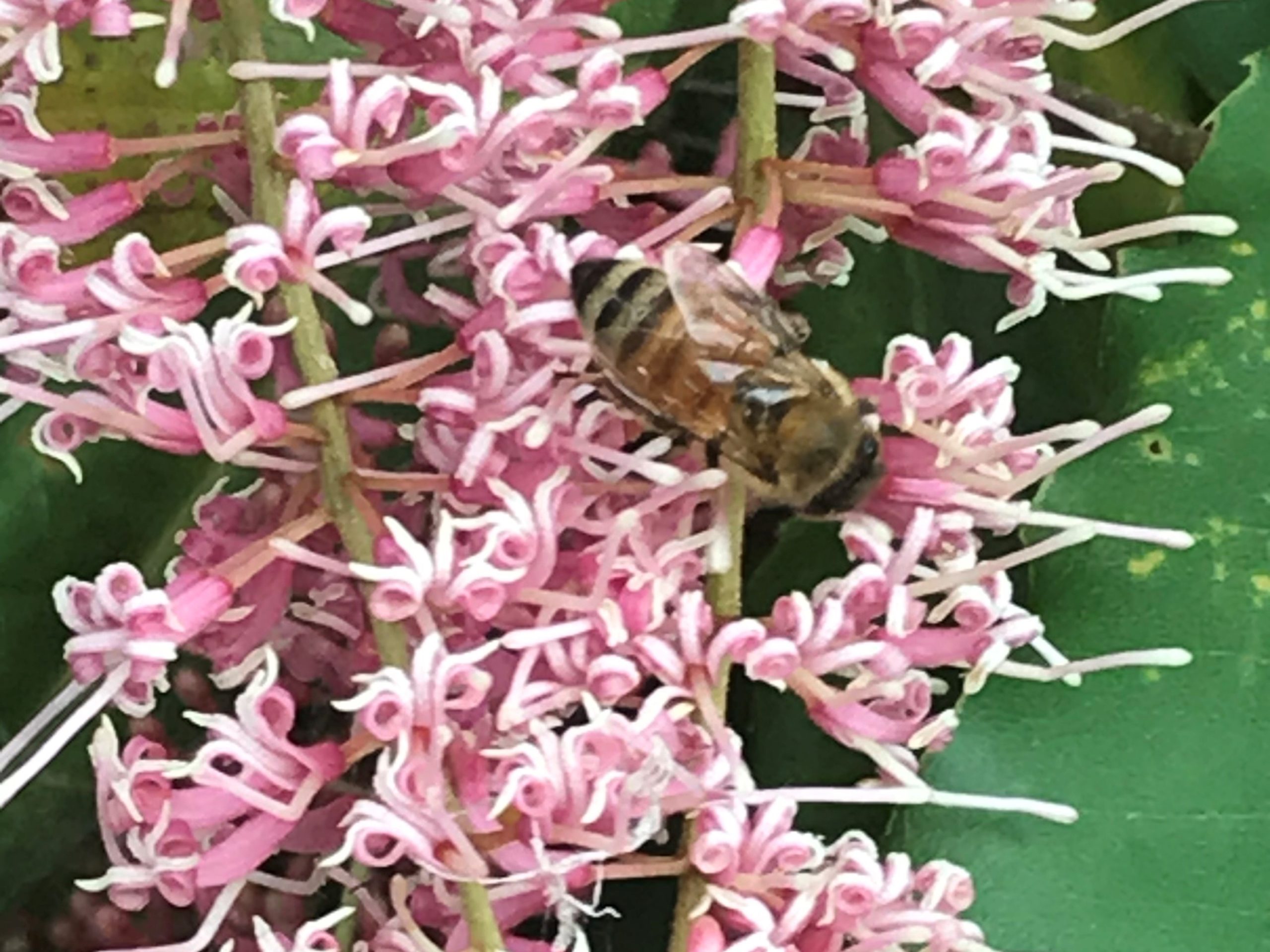
Bee on M. tetraphylla flower Photo: Brice Kaddatz
November 14, 2025 by Wild Macadamia Conservation

This project brings together specialists in entomology, macadamia pollination, bee behaviour, neuromorphic systems and machine learning from Western Sydney University to use neuromorphic machine learning to search satellite imagery for undiscovered wild populations of M. tetraphylla, the species that has lost the most habitat through clearing. Selected sites will then be monitored for pest and pollinator activity. The first step will be to perform a comprehensive analysis of satellite imagery to identify wild M. tetraphylla trees within and beyond their expected range. The morphology of newly discovered trees, nuts and seedlings will be studied to analyse their genetic diversity and assess the habitats they are located in to compare them with known populations and identify new priority conservation locations.

The second step is to deploy neuromorphic AI powered cameras around M. tetraphylla trees in different ecosystems and landscape contexts (for example, at varying distance from commercial Macadamia orchards) to identify and quantify the visitation rates of pests and pollinators, and compare the flowering and fruiting phenology of distinct subpopulations.

How trees are pollinated has a big impact on genetic diversity, as many macadamias will not produce self-pollinated seed – understanding how near the next mature tree must be for successful cross-pollination is important for conservation planning.

This Ian and Janet McConachie Macadamia Conservation Research Grant provides funding for three years, supporting three field trips and adapting technology to learn more about the interactions of plants, pests and pollinators.

Sign up to the Wild Macadamia Champions newsletter to stay updated on research findings.

Previous Post:Tissue Culture in the Tool-Kit for endangered Macadamia jansenii

Sidebar

Become a Wild Macadamia Champion

Join Us

Donate to Macadamia Conservation

Please support Wild Macadamias by giving a tax-deductible donation.

Donate Now

Quick Contact

  • Rare Macadamias
  • About Us
  • News and projects
  • Join Us
  • Contact Us
  • Facebook
  • YouTube

Wild Macadamia Conservation

Email: info@wildmacadamia.org.au
Mobile: 0488 432 226

WMC pays respect to First Nations’ people and cultures. We acknowledge the Traditional Owners of macadamia habitat and their long and continuing custodianship of Country.


Copyright © 2025 · Wild Macadamia Conservation · Privacy Policy · Site by Kingfisher

Become a Wild Macadamia Champion

Please support macadamia conservation by joining us today!

Signing up is free, and we’ll send you two Email newsletters per year.

We will not share your details with anyone else, or send out lots of unsolicited emails.

Keep informed about conservation activities and opportunities and show your support for macadamia conservation.

Subscribe

* indicates required

You can contact the Macadamia Conservation Trust
via one of the following ways or via our contact page:

Macadamia Conservation Trust
Email: info@wildmacadamia.org.au
Mobile: 0488 432 226